Why Hiring an Arborist Is Crucial for Tree Care: Learn About Their Specialized Work
Using a professional arborist is crucial to ensure healthy trees. Their specific expertise permits reliable diagnoses of tree condition, controlling infestations, and proper pruning techniques. They also evaluate surrounding environmental conditions, developing personalized care programs that guarantee the longevity and security of the trees. Knowing the breadth of services arborists provide will significantly affect the condition of your landscape. Exploring these expert services reveals the crucial nature of their function in keeping your green space flourishing.
The Arborist's Essential Duties
While some might think tree maintenance is easy, defining the arborist's job highlights a profession that involves far more than basic maintenance. Arborists are extensively educated professionals who specialize in tree well-being and security. Their expertise includes diagnosing tree diseases, understanding pest management, and ensuring ideal cutting practices to guarantee ideal growth.
Arborists also evaluate environmental factors that can affect tree health, such as soil quality and adjacent greenery. A significant part of their job is evaluating risk, especially in urban areas where trees may pose hazards to properties and people. Equipped with knowledge of tree biology and local regulations, arborists play a crucial role in encouraging environmentally sound land management. By employing advanced tools and techniques, they help maintain the aesthetic appeal and environmental harmony of green spaces. Therefore, the function of the arborist is vital for the long-term health and sustainability of trees.
Advantages of Expert Tree Evaluation
When an expert arborist evaluates your trees, the benefits go well beyond basic visual checks. A comprehensive tree evaluation involves judging the general condition, physical soundness, and any hazards the tree might pose. Arborists employ specific equipment and methods to detect problems like sickness, pest infestations, and structural weaknesses that are often hidden from non-experts.
In addition, specialized inspections give crucial insights into the specific needs of each tree, ensuring tailored care that encourages lasting well-being. This proactive approach helps in preventing future problems, minimizing the chance of expensive tree removal or property harm. Moreover, accurate assessments improve the well-being of the surrounding environment, as arborists can offer expert suggestions for upkeep or specialized treatment. In conclusion, investing in a expert tree inspection enhances the longevity and health of trees, supporting a thriving ecosystem.
Safe and Effective Methods for Pruning Trees
Effective trimming is essential to keeping trees healthy and aesthetics. Certified trimmers utilize specific techniques to ensure cuts are performed without risk and productively, limiting injury to the tree. Knowing these practices can vastly increase the longevity and vigor of trees in every environment.
Why Pruning Correctly Matters
Effective tree pruning is fundamentally important in sustaining the condition and visual appeal of trees. Proper pruning techniques help remove non-viable or infected wood, enabling increased ventilation and sunlight penetration, which is essential for the total health of the tree. Moreover, careful trimming can improve the tree's form, reducing the risk of damage during storms. Aesthetically, neatly cut trees contribute to landscape beauty, offering a balanced look in home and business environments (Florence Arborist). Additionally, correct trimming promotes robust development and minimizes the likelihood of bug invasions. By utilizing the skill of an arborist, tree owners can make certain their trees obtain the right care, ultimately promoting longevity and vigor in their greenery
Techniques for Safe Pruning
Appropriate practices for risk-free cutting are vital for maximizing tree health and ensuring the safety of the tree and the worker performing the work. Professionals highlight the value of utilizing sterile, precise equipment to make precise cuts, which reduces the risk of injury and damage to the tree. Correct trimming methods involve the three-step approach for larger branches, which stops the bark from ripping. It is necessary as well to prune during the tree's resting phase to reduce strain. Professionals suggest eliminating less than a quarter of a tree’s foliage at once to avoid shock. Additionally, comprehending growth habits and avoiding cuts close to the trunk helps maintain the tree’s structural integrity and fosters robust regeneration.
Tree Sickness Identification and Remedial Measures
Pinpointing tree sicknesses calls for a careful watch and a structured procedure, as every disease can exhibit specific indicators. Professional arborists employ their skill to determine exact troubles such as pathogenic fungi, bacterial infections, and harmful pest activity. They start by inspecting leaves, outer layer, and root systems, searching for color changes, wilting, or atypical growth habits that could signal an issue
(Florence Arborist)When the ailment is identified, tree care experts suggest suitable remedies tailored to the specific disease. Remedies often involve applying fungicides or insecticides, adopting suitable hydration practices, or modifying the soil's acidity. Furthermore, arborists often stress the necessity of ensuring comprehensive tree vitality through adequate feeding and maintenance
The Value of Taking Down Trees and Grinding Stumps

Removing trees and grinding stumps is vital for maintaining safety in landscaped areas, as unhealthy or weak trees can create major risks. Additionally, removing stumps can enhance the aesthetic appeal of the landscape while preventing potential pest infestations. Recognizing these elements highlights the necessity for contracting an expert tree professional for effective tree care.
Hazard and Risk Evaluation
Conducting a thorough safety assessment risks assessment is vital when preparing for tree felling and stump grinding. This evaluation identifies potential hazards, such as compromised boughs, nearness to property, and buried service lines. Arborists utilize their expertise to establish the least risky procedure for removing trees, ensuring the lowest possible danger to property and individuals. Experts examine the health of the tree, nearby area, and weather conditions, all of which can influence safety during the removal process. In addition, the process of grinding stumps carries unique dangers, including the potential for injury from machinery or flying material. An extensive safety assessment lessens the peril, allowing for a more efficient and safe execution of tree care services. Hiring an expert tree specialist makes certain every safety standard is carefully met.
Improving the Look of Your Landscape
While maintaining a beautiful landscape boosts property value and curb appeal, the presence of dead or overgrown trees spoils the overall look. Tree removal is often crucial for revitalizing outdoor spaces, allowing for better light penetration and better growth for nearby vegetation. Moreover, obtrusive stumps create visual noise and can cause people to trip. Stump grinding offers a solution, by efficiently getting rid of the residue of removed trees and bringing back a smooth look to the landscape. When you employ an arborist, clients can be certain that tree removal and stump grinding will be done both safely and effectively. This expert service not only enhances visual appeal but also helps create a healthier setting for existing flora, culminating in a more attractive and welcoming outdoor area.
How to Prevent Pest Infestations
A welcoming outdoor area can quickly be compromised by the presence of dead or decaying trees, which often serve as breeding grounds for pests. Such infestations often result in major damage, not only to the trees themselves but also to nearby structures and plants. It is essential to hire an arborist to identify risky trees and assessing whether they need to be taken down. Additionally, stump grinding removes possible pest environments left by uprooted trees, further protecting the landscape. Routine checks and preventative actions, such as tree removal and stump grinding, assist in keeping the ecosystem healthy, keeping expensive infestations at bay. In the end, an experienced arborist ensures that your outdoor areas stay lively and free of pests, safeguarding both aesthetic and environmental integrity.
Specialist Advice on Where to Place Trees and Design
Effective tree placement considerably enhances both the aesthetic appeal and ecological balance of a landscape. Arborists offer professional guidance on choosing trees that thrive in specific environments, taking into account elements like climate, soil type, and sunlight. They emphasize the importance of spacing, so that trees have sufficient room to mature and do not fight for resources.
In addition, arborists evaluate the landscape's complete design, suggesting where to place trees so they fit well with existing plants and structures. Such careful placement doesn't just enhance the visual balance but also helps biodiversity thrive by bringing in wildlife.
Moreover, they advise on the alignment of trees to establish functional windbreaks and cooling shade, enhancing energy efficiency for neighboring properties. Drawing on their skills, homeowners are able to develop outdoor spaces that are both beautiful and sustainable, resulting in lasting contentment and responsible ecological management.
Continuous Upkeep and Nurturing for Arboreal Well-being
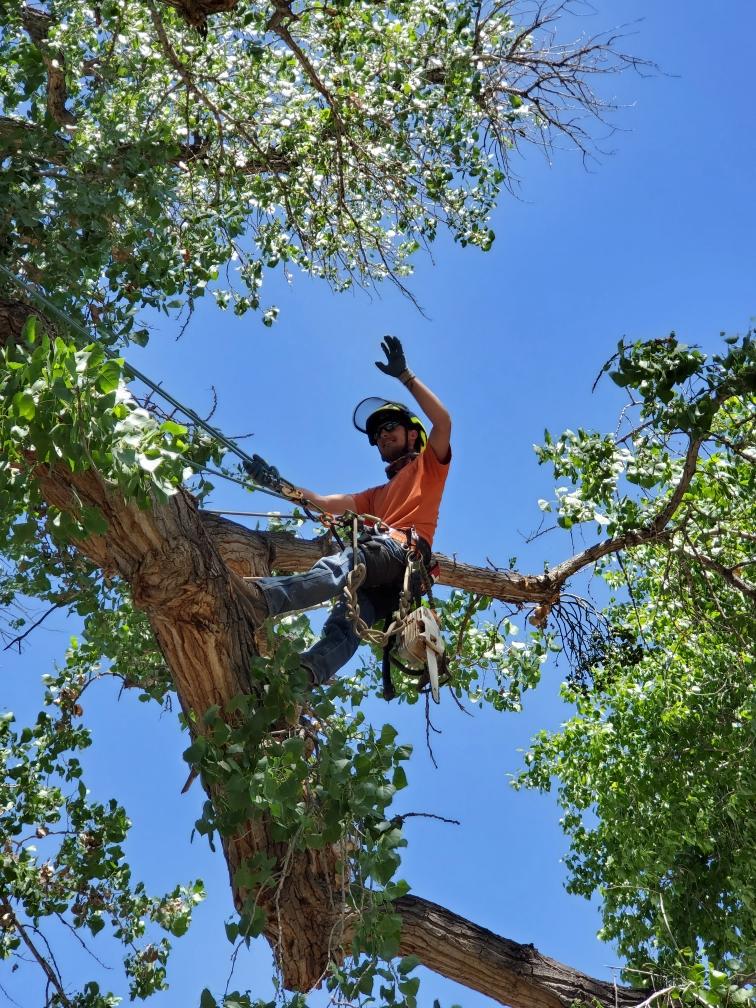
Regular upkeep is vital for guaranteeing the sustained vitality and vigor of trees in any landscape. Certified arborists deliver targeted services that include routine check-ups, trimming, and pest control, all designed to encourage optimal development and warding off sickness. Through checking the state of trees and the quality of the soil, they are able to spot looming problems before they become serious, sparing clients expense and effort.
Periodic cutting aids in keeping the tree's structure and remove dead or diseased branches, enabling greater movement of air and sunlight reaching the ground. Arborists also provide insights on proper watering techniques and mulch application routines that boost the soil's richness. Moreover, they might propose feeding routines designed for individual arboreal varieties, guaranteeing they absorb vital elements.
Frequently Asked Questions
How Do I Choose the Right Arborist for My Needs?
To choose the right arborist, you must confirm their certification, evaluate their background, check client feedback, and obtain pricing proposals. Furthermore, talking about your particular requirements ensures the chosen expert matches up with personal expectations and tree care requirements.
Which Credentials Should I Seek in an Arborist?
While picking a tree specialist, you ought to seek credentials like ISA (International Society of Arboriculture certification), TCIA (Tree Care Industry Association accreditation), and local licensing, ensuring the professional has the necessary expertise and training.
What is the recommended frequency for hiring a tree specialist for Tree Care?
It is recommended to hire a tree specialist annually for routine maintenance, though more frequent visits may be necessary for newly planted trees or trees facing particular health issues, securing healthy maturation and durability.
Do Arborists Provide Support for Legal Disputes Involving Trees?
Yes, arborists can assist with tree-related legal issues (Florence Arborist). They deliver specialized reports, official records, and witness statements concerning the vitality, security, and care of trees, aiding in settling disagreements involving boundary disputes, responsibility, and municipal codes efficiently
What Happens When I Consult With a Tree Care Expert?
During the initial consultation, the arborist assesses the tree's health, talks about any worries, gives advice, and outlines potential services. Clients should look forward to a comprehensive assessment and receive specialized recommendations tailored to their specific tree care needs.